
A remarkably varied safari country, from the Great Rift Valley to the Indian Ocean
Kenya helped define the modern safari, but its strength today lies in the variety it offers within one well-connected country. Its geography shifts from the central highlands and the Great Rift Valley to the semi-arid north and the Indian Ocean coast, allowing travellers to experience very different parts of Africa without crossing an international border.
What sets Kenya apart is the combination of established public reserves with private and community conservancies. This gives travellers a broad choice of safari styles — from classic road journeys and family itineraries to quieter fly-in stays and specialist photographic travel. An experienced guiding sector, a mature lodge network and strong domestic air connections also make Kenya accessible to first-time visitors without limiting what it can offer experienced safari travellers.
What makes Kenya different
The combination of classic safari, community conservancies, excellent regional connectivity and the Indian Ocean coast within one destination.
- Capital
- Nairobi
- Official Languages
- Kiswahili · English
- Currency
- Kenyan shilling · KES
- Time Zone
- East Africa Time · UTC+3
- Typical Safari Rate
- $183–$715 pp/day
- Best Time To Go
- June–October · January–February
- High Season
- June–October · December–March
- Country Area
- 580,367 km² · 224,081 mi²
- Main International Gateways
- Moi International Airport · MBA
- Jomo Kenyatta International Airport · NBO
- Protected Land & Inland Waters
- 13.20 % · 76,950 km²
Top Safaris
Two ways to travel Kenya with us: take one of the ready-made packages below as it stands, or have us assemble one around your dates, pace and budget.
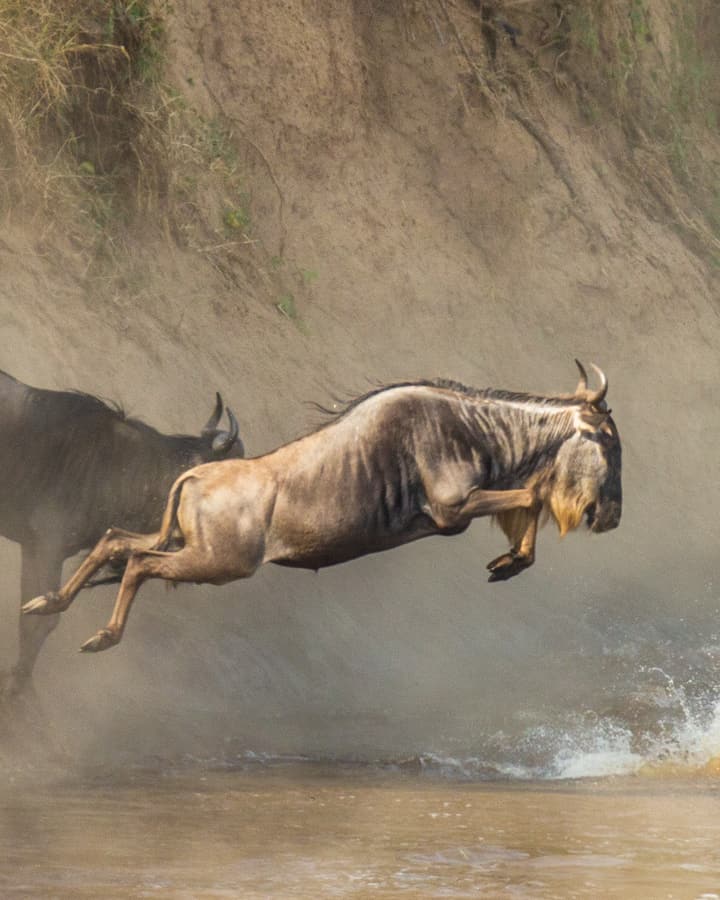 5.0Maasai Mara
7-Day Maasai Mara & Lake Nakuru Safari
From $2,450 · 7 days
 4.9Maasai Mara
9-Day Kenya Grand Circuit
From $3,340 · 9 days
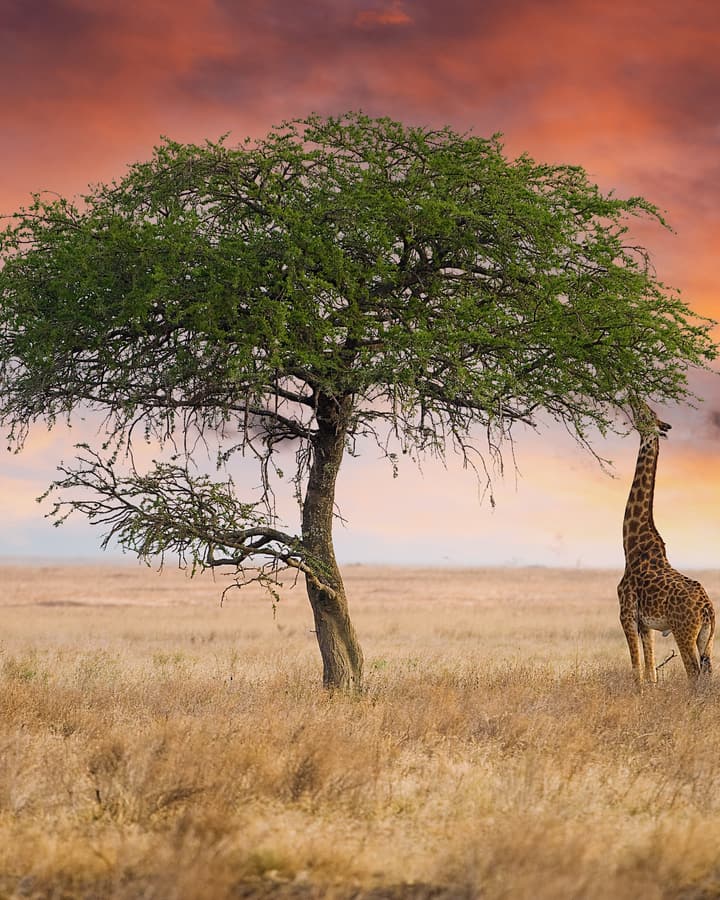 4.7Tsavo East
3-Day Tsavo Quick Safari
From $620 · 3 days
Built around you
The same safaris, reassembled: your dates, your lodges, your pace and budget. Tell our AI assistant what you want out of Kenya and we put the route together.
National Parks
Kenya offers far more than one famous reserve. The Maasai Mara forms the northern part of the wider Serengeti–Mara ecosystem, Amboseli combines open wetlands and elephant herds with views towards Kilimanjaro, and Tsavo stretches across vast red-earth wilderness. Further north, Samburu and the Laikipia Plateau introduce semi-arid landscapes, community conservancies and important rhino strongholds, while the Rift Valley adds lakes, escarpments and forested highlands. What makes Kenya distinctive is the number of genuinely different safari environments that can be linked within one well-planned journey.
Wildlife
Big-cat viewing is a major strength, especially on the Mara plains, where lion, cheetah and leopard share an ecosystem with large resident herbivore populations and the seasonal Migration. Kenya also offers wildlife that is difficult to find on the classic southern circuit: Grevy’s zebra, reticulated giraffe, gerenuk, beisa oryx and Somali ostrich in the arid north. Many private and community conservancies add another dimension through lower vehicle density and, depending on local rules, guided walks, night drives and more flexible game viewing. This combination of iconic species, regional specialities and varied safari styles is Kenya’s real advantage.
Best Time to Visit
Kenya is a year-round safari country. The Migration usually reaches the Maasai Mara between July and October, although river crossings and animal movements can never be guaranteed. January and February are generally drier, warm and excellent for resident wildlife, while the greener months bring dramatic skies, young animals and fewer vehicles. A Kenya safari also combines naturally with the Indian Ocean coast, making it one of the easiest countries in Africa in which to balance wildlife, culture and time by the sea.
Weather & Climate
Nairobi · 1,795 m / 5,889 ft
Long-term monthly averages (1970–2000 climate normals), not a live forecast.
- Average max
- Average min
- Average rainfall
Climate data WorldClim 2.1 (worldclim.org)
| Month | Average min (°C) | Average max (°C) | Rainfall (mm) |
|---|---|---|---|
| J | 13.7 | 27 | 58 |
| F | 13.8 | 28.3 | 50 |
| M | 14.5 | 28 | 85 |
| A | 15.3 | 26.1 | 221 |
| M | 14.9 | 24.5 | 170 |
| J | 13.2 | 23.6 | 37 |
| J | 12.3 | 22.8 | 19 |
| A | 12.4 | 23.3 | 19 |
| S | 12.6 | 25.2 | 25 |
| O | 13.8 | 26.4 | 57 |
| N | 14.2 | 25.5 | 128 |
| D | 13.9 | 25.3 | 85 |
Getting There
This chapter of the Kenya safari guide is coming soon.
Health & Safety
This chapter of the Kenya safari guide is coming soon.
A remarkably varied safari country, from the Great Rift Valley to the Indian Ocean
Kenya helped define the modern safari, but its strength today lies in the variety it offers within one well-connected country. Its geography shifts from the central highlands and the Great Rift Valley to the semi-arid north and the Indian Ocean coast, allowing travellers to experience very different parts of Africa without crossing an international border.
What sets Kenya apart is the combination of established public reserves with private and community conservancies. This gives travellers a broad choice of safari styles — from classic road journeys and family itineraries to quieter fly-in stays and specialist photographic travel. An experienced guiding sector, a mature lodge network and strong domestic air connections also make Kenya accessible to first-time visitors without limiting what it can offer experienced safari travellers.
What makes Kenya different
The combination of classic safari, community conservancies, excellent regional connectivity and the Indian Ocean coast within one destination.
- Capital
- Nairobi
- Official Languages
- Kiswahili · English
- Currency
- Kenyan shilling · KES
- Time Zone
- East Africa Time · UTC+3
- Typical Safari Rate
- $183–$715 pp/day
- Best Time To Go
- June–October · January–February
- High Season
- June–October · December–March
- Country Area
- 580,367 km² · 224,081 mi²
- Main International Gateways
- Moi International Airport · MBA
- Jomo Kenyatta International Airport · NBO
- Protected Land & Inland Waters
- 13.20 % · 76,950 km²
Top Safaris
Two ways to travel Kenya with us: take one of the ready-made packages below as it stands, or have us assemble one around your dates, pace and budget.
- 5.0Maasai Mara
7-Day Maasai Mara & Lake Nakuru Safari
From $2,450 · 7 days
- 4.9Maasai Mara
9-Day Kenya Grand Circuit
From $3,340 · 9 days
- 4.7Tsavo East
3-Day Tsavo Quick Safari
From $620 · 3 days
Built around you
The same safaris, reassembled: your dates, your lodges, your pace and budget. Tell our AI assistant what you want out of Kenya and we put the route together.
National Parks
Kenya offers far more than one famous reserve. The Maasai Mara forms the northern part of the wider Serengeti–Mara ecosystem, Amboseli combines open wetlands and elephant herds with views towards Kilimanjaro, and Tsavo stretches across vast red-earth wilderness. Further north, Samburu and the Laikipia Plateau introduce semi-arid landscapes, community conservancies and important rhino strongholds, while the Rift Valley adds lakes, escarpments and forested highlands. What makes Kenya distinctive is the number of genuinely different safari environments that can be linked within one well-planned journey.
Wildlife
Big-cat viewing is a major strength, especially on the Mara plains, where lion, cheetah and leopard share an ecosystem with large resident herbivore populations and the seasonal Migration. Kenya also offers wildlife that is difficult to find on the classic southern circuit: Grevy’s zebra, reticulated giraffe, gerenuk, beisa oryx and Somali ostrich in the arid north. Many private and community conservancies add another dimension through lower vehicle density and, depending on local rules, guided walks, night drives and more flexible game viewing. This combination of iconic species, regional specialities and varied safari styles is Kenya’s real advantage.
Best Time to Visit
Kenya is a year-round safari country. The Migration usually reaches the Maasai Mara between July and October, although river crossings and animal movements can never be guaranteed. January and February are generally drier, warm and excellent for resident wildlife, while the greener months bring dramatic skies, young animals and fewer vehicles. A Kenya safari also combines naturally with the Indian Ocean coast, making it one of the easiest countries in Africa in which to balance wildlife, culture and time by the sea.
Weather & Climate
Nairobi · 1,795 m / 5,889 ft
Long-term monthly averages (1970–2000 climate normals), not a live forecast.
- Average max
- Average min
- Average rainfall
Climate data WorldClim 2.1 (worldclim.org)
| Month | Average min (°C) | Average max (°C) | Rainfall (mm) |
|---|---|---|---|
| J | 13.7 | 27 | 58 |
| F | 13.8 | 28.3 | 50 |
| M | 14.5 | 28 | 85 |
| A | 15.3 | 26.1 | 221 |
| M | 14.9 | 24.5 | 170 |
| J | 13.2 | 23.6 | 37 |
| J | 12.3 | 22.8 | 19 |
| A | 12.4 | 23.3 | 19 |
| S | 12.6 | 25.2 | 25 |
| O | 13.8 | 26.4 | 57 |
| N | 14.2 | 25.5 | 128 |
| D | 13.9 | 25.3 | 85 |
Getting There
This chapter of the Kenya safari guide is coming soon.
Health & Safety
This chapter of the Kenya safari guide is coming soon.