
Loading page
Uganda sits across the equator at the meeting point of the East African plateau, the Albertine Rift and the upper Nile basin. Its geography brings forests, lakes, highlands and savanna into one overland itinerary, although road journeys between regions can still be substantial.
Most travel begins through Entebbe and develops as a guided circuit rather than a series of isolated fly-in stays. Uganda’s distinctive strength is the ability to combine specialist primate experiences with a broader traditional safari and river-based travel, giving the journey more ecological variety than a single-focus extension.
The most complete single-country combination of great-ape trekking, classic safari landscapes and the Nile.
Two ways to travel Uganda with us: take one of the ready-made packages below as it stands, or have us assemble one around your dates, pace and budget.
 5.0
5.0From $3,069 · 10 days
 4.8
4.8From $1,980 · 6 days
Built around you
The same safaris, reassembled: your dates, your lodges, your pace and budget. Tell our AI assistant what you want out of Uganda and we put the route together.
Uganda brings together equatorial forest, Albertine Rift landscapes, open savanna, crater lakes and the upper Nile within one country. Bwindi and Mgahinga protect mountain-gorilla habitat; Kibale is the principal chimpanzee destination; Queen Elizabeth and Murchison Falls combine game drives with waterways; and remote Kidepo opens towards the semi-arid north-east. The Rwenzori Mountains add a high-altitude dimension rarely associated with safari. Uganda’s unique strength is the ability to connect great-ape tracking, classic African wildlife and river-based exploration in one overland journey.
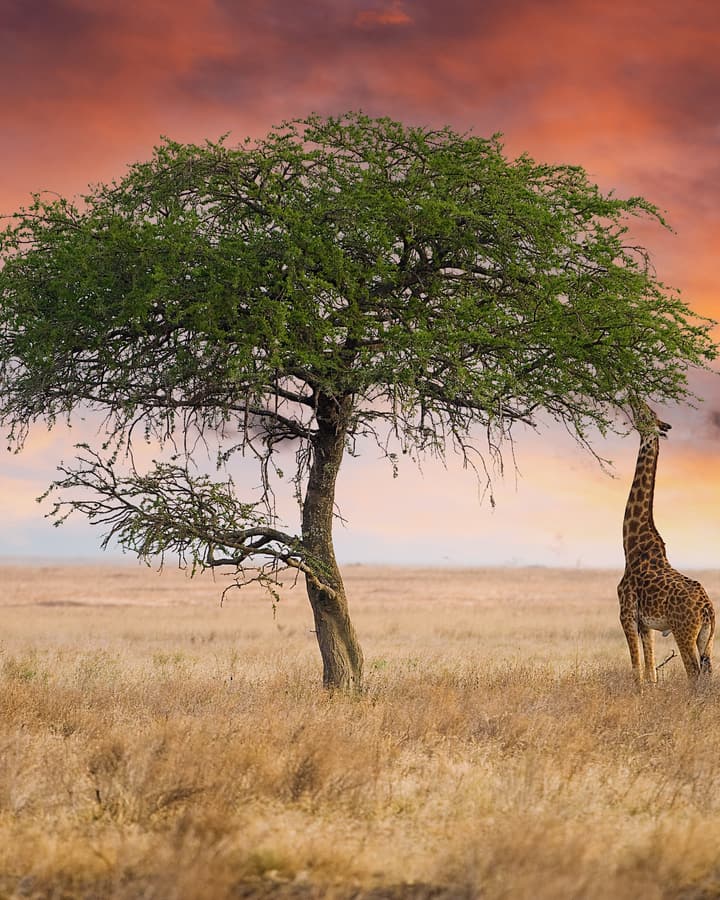
Mountain gorillas and chimpanzees are the central experiences, but Uganda should not be reduced to primates. The Ishasha sector is known for lions that sometimes rest in fig trees, the Kazinga Channel holds dense concentrations of hippo and waterbirds, and Murchison’s savannas support elephant, giraffe, buffalo and predators beside the Nile. Uganda is also one of Africa’s leading birding countries, with the shoebill among its most sought-after species. Few destinations offer this depth of primate viewing alongside a full traditional safari.
The drier periods from June to August and December to February usually make forest trails and unpaved roads easier, although gorilla and chimpanzee tracking operates throughout the year. Wetter months produce greener scenery, fewer visitors and excellent photography, but trekking can be muddier and some drives slower. Uganda generally needs more road time than compact Rwanda, yet the reward is a much broader journey through forests, savannas, lakes and the Nile rather than a single headline experience.
Climate data unavailable for this area.
This chapter of the Uganda safari guide is coming soon.
Signal coverage is temporarily unavailable. Please try again in a moment.
The e-SIM search is temporarily unavailable. Please try again in a moment.
This chapter of the Uganda safari guide is coming soon.
Uganda sits across the equator at the meeting point of the East African plateau, the Albertine Rift and the upper Nile basin. Its geography brings forests, lakes, highlands and savanna into one overland itinerary, although road journeys between regions can still be substantial.
Most travel begins through Entebbe and develops as a guided circuit rather than a series of isolated fly-in stays. Uganda’s distinctive strength is the ability to combine specialist primate experiences with a broader traditional safari and river-based travel, giving the journey more ecological variety than a single-focus extension.
The most complete single-country combination of great-ape trekking, classic safari landscapes and the Nile.
Two ways to travel Uganda with us: take one of the ready-made packages below as it stands, or have us assemble one around your dates, pace and budget.
5.0From $3,069 · 10 days
4.8From $1,980 · 6 days
Built around you
The same safaris, reassembled: your dates, your lodges, your pace and budget. Tell our AI assistant what you want out of Uganda and we put the route together.
Uganda brings together equatorial forest, Albertine Rift landscapes, open savanna, crater lakes and the upper Nile within one country. Bwindi and Mgahinga protect mountain-gorilla habitat; Kibale is the principal chimpanzee destination; Queen Elizabeth and Murchison Falls combine game drives with waterways; and remote Kidepo opens towards the semi-arid north-east. The Rwenzori Mountains add a high-altitude dimension rarely associated with safari. Uganda’s unique strength is the ability to connect great-ape tracking, classic African wildlife and river-based exploration in one overland journey.
Mountain gorillas and chimpanzees are the central experiences, but Uganda should not be reduced to primates. The Ishasha sector is known for lions that sometimes rest in fig trees, the Kazinga Channel holds dense concentrations of hippo and waterbirds, and Murchison’s savannas support elephant, giraffe, buffalo and predators beside the Nile. Uganda is also one of Africa’s leading birding countries, with the shoebill among its most sought-after species. Few destinations offer this depth of primate viewing alongside a full traditional safari.
The drier periods from June to August and December to February usually make forest trails and unpaved roads easier, although gorilla and chimpanzee tracking operates throughout the year. Wetter months produce greener scenery, fewer visitors and excellent photography, but trekking can be muddier and some drives slower. Uganda generally needs more road time than compact Rwanda, yet the reward is a much broader journey through forests, savannas, lakes and the Nile rather than a single headline experience.
Climate data unavailable for this area.
This chapter of the Uganda safari guide is coming soon.
Signal coverage is temporarily unavailable. Please try again in a moment.
The e-SIM search is temporarily unavailable. Please try again in a moment.
This chapter of the Uganda safari guide is coming soon.