
Loading page
Namibia is defined by scale, low population density and the meeting of desert and Atlantic coast. Towns and wildlife areas are separated by long distances, but a reliable road network and clear travel infrastructure make the country unusually well suited to independent journeys.
Here, the route itself is part of the safari. Travellers move through changing geology, vast skies and remote settlements, using a mix of self-drive lodges, camps and guided excursions. Wildlife viewing remains important, but Namibia appeals equally to people drawn to landscape, photography and the freedom of travelling at their own pace.
A safari in which the road journey, desert landscapes and sense of space are as important as the individual wildlife sightings.
Two ways to travel Namibia with us: take one of the ready-made packages below as it stands, or have us assemble one around your dates, pace and budget.
 4.9
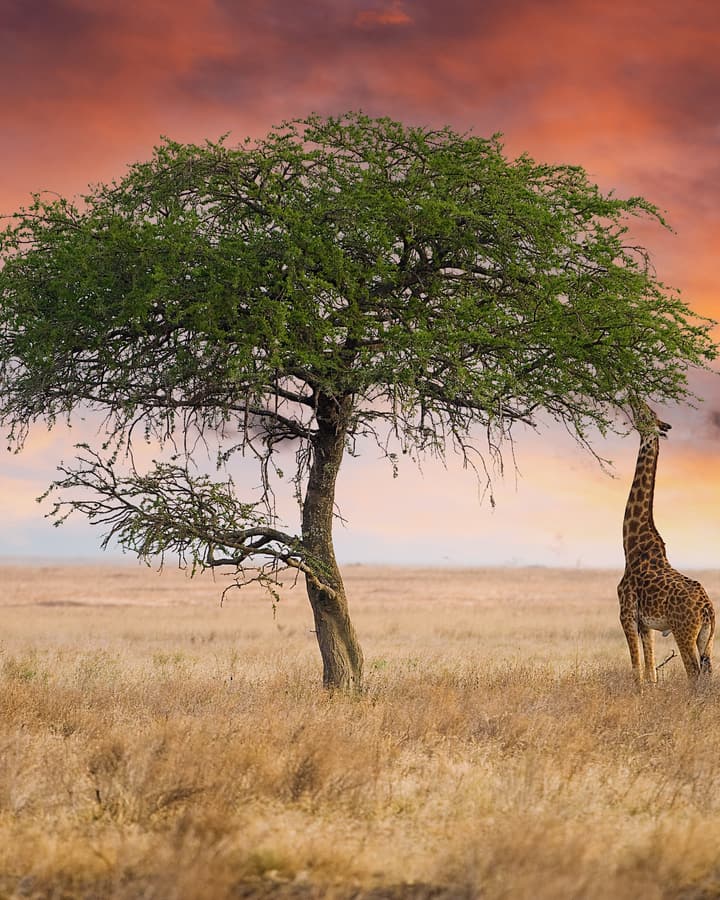
4.9From $3,290 · 12 days
 4.7
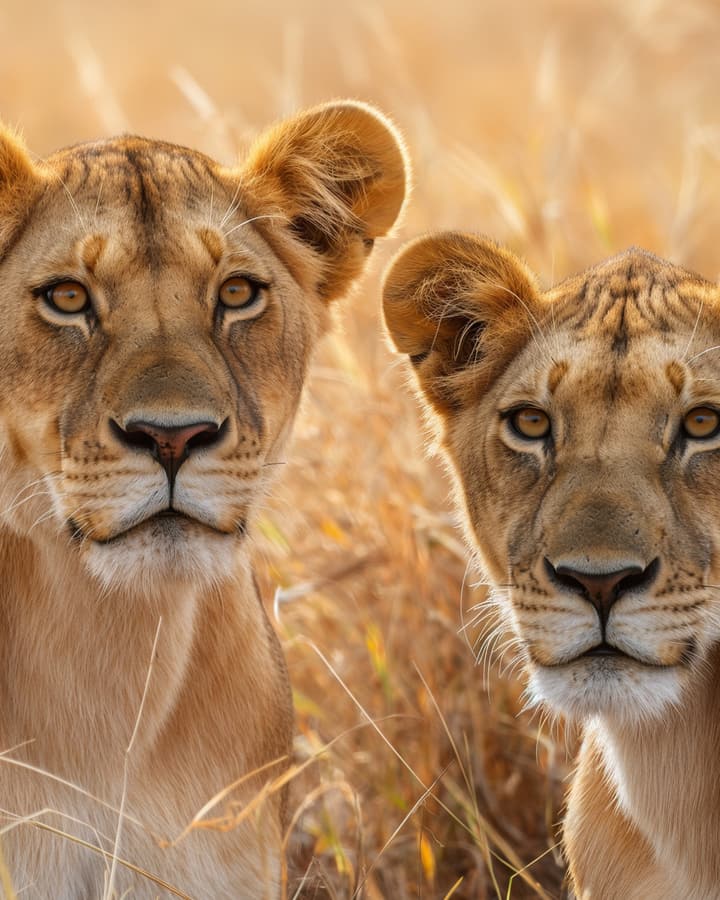
4.7From $2,470 · 8 days
Built around you
The same safaris, reassembled: your dates, your lodges, your pace and budget. Tell our AI assistant what you want out of Namibia and we put the route together.
Namibia is a safari built around space, light and extreme landscapes. Etosha’s enormous salt pan is ringed by productive waterholes; the Namib Sand Sea and Sossusvlei create some of Africa’s most recognisable desert scenery; and the Skeleton Coast, Damaraland and Kunene reveal mountains, dry riverbeds and an apparently empty wilderness. In the north-east, Bwabwata and the Zambezi Region shift into greener river country. Namibia’s defining difference is that the journey between wildlife areas — often by self-drive — is as important as the sightings themselves.
Etosha offers concentrated viewing around water, with elephant, lion, giraffe and black rhino often emerging into unusually open terrain. Beyond the park, free-ranging populations of desert-adapted elephant, lion and black rhino survive across communal and protected landscapes in the north-west; these are not separate species, but animals whose behaviour has adapted to arid conditions and vast ranges. Conservancy-based rhino tracking can add a rare on-foot conservation experience. From Cape fur seals on the Atlantic coast to specialist desert reptiles and birds, Namibia rewards travellers interested in adaptation as much as abundance.
May to October is generally best for Etosha, when dry conditions draw wildlife to permanent waterholes and vegetation is sparse. Winter mornings can be very cold, while September and October become increasingly hot. The rainy season changes northern Namibia completely, producing greener landscapes, seasonal pans and strong birding, although wildlife is less concentrated. Desert and landscape photography remain rewarding throughout the year, making Namibia ideal for travellers who want wildlife, freedom and visual drama rather than nonstop big-game density.
Climate data unavailable for this area.
This chapter of the Namibia safari guide is coming soon.
Signal coverage is temporarily unavailable. Please try again in a moment.
The e-SIM search is temporarily unavailable. Please try again in a moment.
This chapter of the Namibia safari guide is coming soon.
Namibia is defined by scale, low population density and the meeting of desert and Atlantic coast. Towns and wildlife areas are separated by long distances, but a reliable road network and clear travel infrastructure make the country unusually well suited to independent journeys.
Here, the route itself is part of the safari. Travellers move through changing geology, vast skies and remote settlements, using a mix of self-drive lodges, camps and guided excursions. Wildlife viewing remains important, but Namibia appeals equally to people drawn to landscape, photography and the freedom of travelling at their own pace.
A safari in which the road journey, desert landscapes and sense of space are as important as the individual wildlife sightings.
Two ways to travel Namibia with us: take one of the ready-made packages below as it stands, or have us assemble one around your dates, pace and budget.
4.9From $3,290 · 12 days
4.7From $2,470 · 8 days
Built around you
The same safaris, reassembled: your dates, your lodges, your pace and budget. Tell our AI assistant what you want out of Namibia and we put the route together.
Namibia is a safari built around space, light and extreme landscapes. Etosha’s enormous salt pan is ringed by productive waterholes; the Namib Sand Sea and Sossusvlei create some of Africa’s most recognisable desert scenery; and the Skeleton Coast, Damaraland and Kunene reveal mountains, dry riverbeds and an apparently empty wilderness. In the north-east, Bwabwata and the Zambezi Region shift into greener river country. Namibia’s defining difference is that the journey between wildlife areas — often by self-drive — is as important as the sightings themselves.
Etosha offers concentrated viewing around water, with elephant, lion, giraffe and black rhino often emerging into unusually open terrain. Beyond the park, free-ranging populations of desert-adapted elephant, lion and black rhino survive across communal and protected landscapes in the north-west; these are not separate species, but animals whose behaviour has adapted to arid conditions and vast ranges. Conservancy-based rhino tracking can add a rare on-foot conservation experience. From Cape fur seals on the Atlantic coast to specialist desert reptiles and birds, Namibia rewards travellers interested in adaptation as much as abundance.
May to October is generally best for Etosha, when dry conditions draw wildlife to permanent waterholes and vegetation is sparse. Winter mornings can be very cold, while September and October become increasingly hot. The rainy season changes northern Namibia completely, producing greener landscapes, seasonal pans and strong birding, although wildlife is less concentrated. Desert and landscape photography remain rewarding throughout the year, making Namibia ideal for travellers who want wildlife, freedom and visual drama rather than nonstop big-game density.
Climate data unavailable for this area.
This chapter of the Namibia safari guide is coming soon.
Signal coverage is temporarily unavailable. Please try again in a moment.
The e-SIM search is temporarily unavailable. Please try again in a moment.
This chapter of the Namibia safari guide is coming soon.