
Loading page
Botswana is one of Africa’s most sparsely populated countries, dominated by Kalahari sands and transformed in the north by seasonal water. Its safari industry has developed around a low-volume, high-value model, so many journeys use small camps, light-aircraft transfers and privately managed concession areas rather than busy road circuits.
The result is a destination that prioritises space, guiding and immersion. Travellers can move between flood-fed landscapes and semi-arid country while changing not only the scenery but also the way each area is explored. Logistics are often more expensive than elsewhere, but they create a strong sense of privacy, exclusivity and wilderness.
The contrast of seasonal wetland and Kalahari desert, experienced through small camps and low-density safari areas.
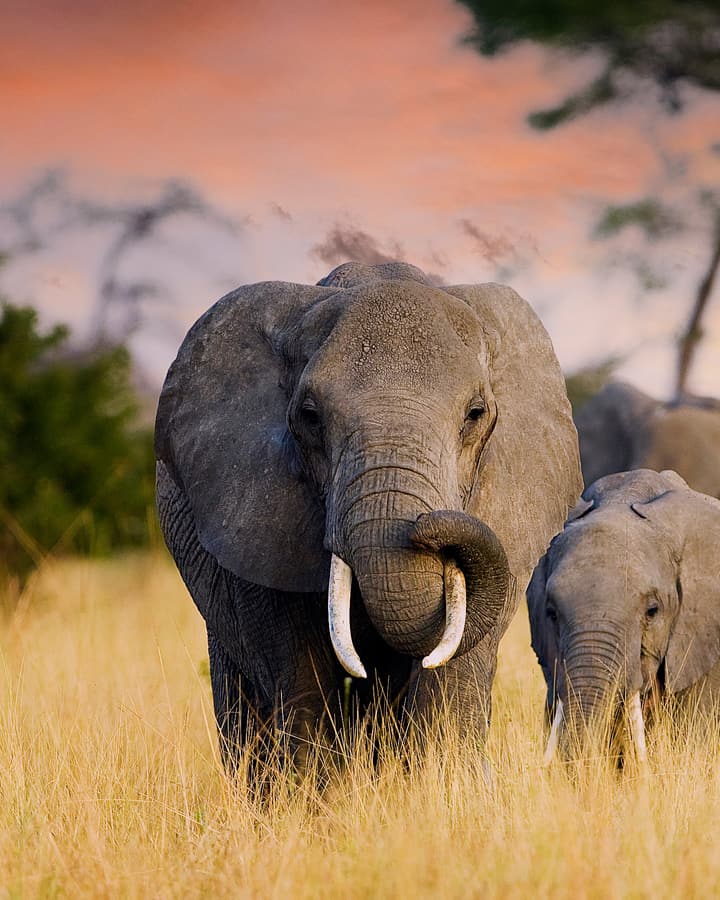
Two ways to travel Botswana with us: take one of the ready-made packages below as it stands, or have us assemble one around your dates, pace and budget.
 4.8
4.8From $1,690 · 5 days
 5.0
5.0From $4,480 · 7 days
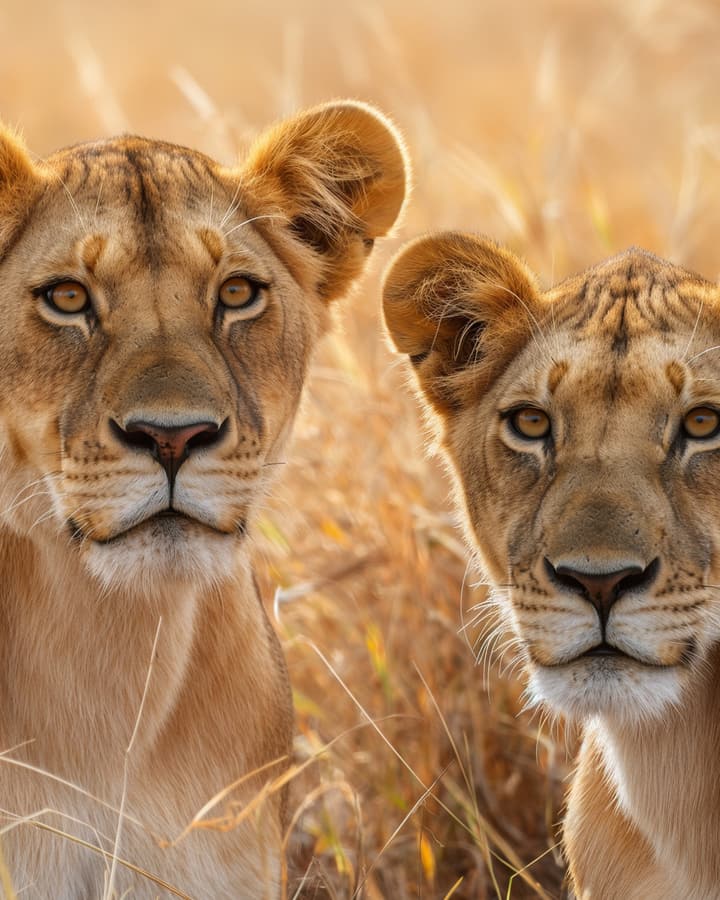 4.7
4.7From $2,240 · 10 days
Built around you
The same safaris, reassembled: your dates, your lodges, your pace and budget. Tell our AI assistant what you want out of Botswana and we put the route together.
Botswana’s safari identity is shaped by the meeting of water and desert. The Okavango Delta spreads seasonal floodwater across Kalahari sands, creating channels, islands and floodplains that can be explored by vehicle, boat, mokoro and on foot. Moremi protects some of the Delta’s richest wildlife areas, Chobe and the Linyanti system follow major elephant corridors, and the Central Kalahari, Makgadikgadi and Nxai Pan reveal an entirely different world of salt pans and open desert. Across much of the Okavango, a low-volume, concession-based tourism model makes privacy and wilderness a central part of the experience.
The Okavango is one of the few major safari ecosystems where water-based viewing is as important as the game drive. Elephant, buffalo, lion, leopard, red lechwe and hippo move through a landscape that changes with the flood, while Botswana remains one of Africa’s strongest destinations for African wild dog. Chobe’s riverfront produces remarkable dry-season elephant concentrations; the Kalahari adds black-maned lions, brown hyena and desert-adapted antelope; and the Makgadikgadi region comes alive with zebra and newborn wildlife after the rains. Botswana’s uniqueness lies in experiencing two contrasting safaris — wetland and desert — within the same country.
May to October is the classic period for the Okavango, Moremi and Chobe. Unusually, the Delta’s flood often reaches its greatest extent during the dry winter months, when wildlife also concentrates around permanent water. From November to March, rain transforms the Kalahari and salt-pan regions, attracting migratory birds, zebra and young antelope beneath dramatic skies. Botswana works especially well for travellers who value remote camps, small numbers of vehicles and a slower, more immersive safari rhythm.
Climate data unavailable for this area.
This chapter of the Botswana safari guide is coming soon.
Signal coverage is temporarily unavailable. Please try again in a moment.
The e-SIM search is temporarily unavailable. Please try again in a moment.
This chapter of the Botswana safari guide is coming soon.
Botswana is one of Africa’s most sparsely populated countries, dominated by Kalahari sands and transformed in the north by seasonal water. Its safari industry has developed around a low-volume, high-value model, so many journeys use small camps, light-aircraft transfers and privately managed concession areas rather than busy road circuits.
The result is a destination that prioritises space, guiding and immersion. Travellers can move between flood-fed landscapes and semi-arid country while changing not only the scenery but also the way each area is explored. Logistics are often more expensive than elsewhere, but they create a strong sense of privacy, exclusivity and wilderness.
The contrast of seasonal wetland and Kalahari desert, experienced through small camps and low-density safari areas.
Two ways to travel Botswana with us: take one of the ready-made packages below as it stands, or have us assemble one around your dates, pace and budget.
4.8From $1,690 · 5 days
5.0From $4,480 · 7 days
4.7From $2,240 · 10 days
Built around you
The same safaris, reassembled: your dates, your lodges, your pace and budget. Tell our AI assistant what you want out of Botswana and we put the route together.
Botswana’s safari identity is shaped by the meeting of water and desert. The Okavango Delta spreads seasonal floodwater across Kalahari sands, creating channels, islands and floodplains that can be explored by vehicle, boat, mokoro and on foot. Moremi protects some of the Delta’s richest wildlife areas, Chobe and the Linyanti system follow major elephant corridors, and the Central Kalahari, Makgadikgadi and Nxai Pan reveal an entirely different world of salt pans and open desert. Across much of the Okavango, a low-volume, concession-based tourism model makes privacy and wilderness a central part of the experience.
The Okavango is one of the few major safari ecosystems where water-based viewing is as important as the game drive. Elephant, buffalo, lion, leopard, red lechwe and hippo move through a landscape that changes with the flood, while Botswana remains one of Africa’s strongest destinations for African wild dog. Chobe’s riverfront produces remarkable dry-season elephant concentrations; the Kalahari adds black-maned lions, brown hyena and desert-adapted antelope; and the Makgadikgadi region comes alive with zebra and newborn wildlife after the rains. Botswana’s uniqueness lies in experiencing two contrasting safaris — wetland and desert — within the same country.
May to October is the classic period for the Okavango, Moremi and Chobe. Unusually, the Delta’s flood often reaches its greatest extent during the dry winter months, when wildlife also concentrates around permanent water. From November to March, rain transforms the Kalahari and salt-pan regions, attracting migratory birds, zebra and young antelope beneath dramatic skies. Botswana works especially well for travellers who value remote camps, small numbers of vehicles and a slower, more immersive safari rhythm.
Climate data unavailable for this area.
This chapter of the Botswana safari guide is coming soon.
Signal coverage is temporarily unavailable. Please try again in a moment.
The e-SIM search is temporarily unavailable. Please try again in a moment.
This chapter of the Botswana safari guide is coming soon.